


USDA Announces New SNAP Store Rules. Here’s What Could Change in 2026

Jamie O'Hara
Published May 13, 2026
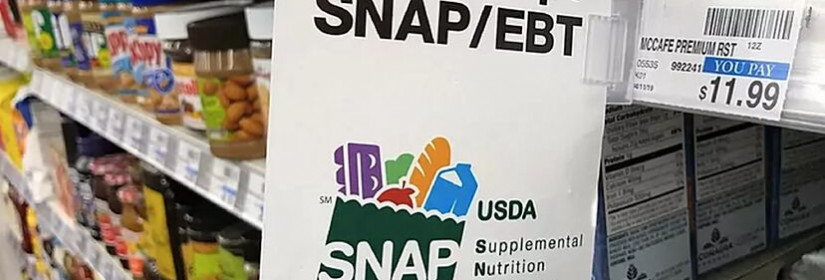
Big changes are coming to stores that accept Supplemental Nutrition Assistance Program benefits, and shoppers may soon notice different products on grocery shelves.
The U.S. Department of Agriculture is tightening rules for retailers that participate in SNAP, with new requirements expected to begin in fall 2026.
The goal is to increase access to healthier food options for millions of Americans using food assistance.
What the new SNAP rules require
Under the updated policy, stores accepting SNAP will need to carry more staple food items than before.
Retailers must stock at least:
- Seven varieties of foods
- Across four main categories:
- Proteins
- Dairy
- Grains
- Fruits and vegetables
That is a major increase from previous standards.
Federal officials say older rules allowed some stores to meet requirements while still offering very limited fresh food options.
Don't miss: May 2026 Payment Dates: When SSI, Social Security, and SNAP Benefits Arrive
Why shoppers may notice changes
For many SNAP shoppers, the new rules could lead to:
- Larger produce sections
- More refrigerated foods
- Expanded dairy selections
- More meat, grains, and fresh grocery items
Some stores that mainly carried snacks, shelf-stable foods, or convenience products may need to significantly change inventory.
Officials say the policy is designed to improve food access in areas where healthy grocery choices are limited.
Read: SNAP Rule Changes June 2026: New Work Requirements Could Affect Benefits
Smaller stores may face the biggest challenges
Large chains like Walmart and Costco are expected to adapt more easily.
But smaller stores and convenience markets could face difficulties, including:
- Limited shelf space
- Lack of refrigeration
- Higher inventory costs
- Supply chain adjustments
Some retailer groups warn the changes could be expensive for independent businesses already operating on thin profit margins.
Why the USDA says the changes are necessary
Federal officials argue the update closes loopholes that allowed some stores to technically qualify for SNAP without offering meaningful healthy food choices.
The USDA says the changes are part of broader efforts to:
- Improve nutrition access
- Reduce loopholes in SNAP retail standards
- Encourage healthier grocery environments
The rules also arrive as several states debate additional SNAP purchase restrictions on products like soda and candy.
What it means for SNAP shoppers
The shopping experience may begin changing gradually as stores prepare for the new standards.
By late 2026, many shoppers could start seeing:
- More fresh food inventory
- Fewer stores relying heavily on processed snacks
- Expanded staple grocery options
However, availability may still vary depending on location and store size.
Could some stores stop accepting SNAP?
Possibly.
Some smaller retailers may decide the new requirements are too costly or difficult to meet.
Critics worry that could reduce access in certain neighborhoods if stores leave the SNAP program entirely.
Supporters, meanwhile, argue the long-term benefit is better food access for families relying on assistance programs.
Bottom line
New SNAP retailer rules expected in 2026 could significantly change what shoppers see in stores that accept food assistance benefits.
While supporters say the policy will improve access to healthier foods, smaller retailers may face major adjustments as the new standards take effect.
-
Don't miss out on general benefits information!
Subscribe for the latest updates, expert advice, and valuable tips to help you maximize your benefits and financial well-being.
Stay informed—sign up now!

Related Articles
View all posts
SNAP Payment Schedule October 2026: State-by-State Dates and New Benefit Amounts...
SNAP benefits will be deposited on different dates throughout October 2026, depending on where you live. States set their own payment schedules, and some use a single payment date while others...

September 2026 SNAP Benefits: Payment Dates by State and Maximum Amounts...
SNAP benefits for September 2026 will be deposited on different dates depending on the state where you live. Some states issue benefits on one day, while others spread deposits over several weeks base...
Lost Your SNAP Benefits? You May Qualify for a One-Time $400 Payment...
Illinois is offering temporary food assistance to residents who lost Supplemental Nutrition Assistance Program (SNAP) benefits because of stricter federal work requirements. The Families Receiving Emer...

SNAP Benefits Payment August 2026: State-by-State Deposit Schedule You Need to Know...
August 2026 SNAP payment dates vary by state, and deposits are beginning in the coming days. Since each state sets its own schedule, recipients may see benefits hit their EBT cards on diffe...

SNAP Express Summer July 2026: How Families Are Saving More on Groceries...
As grocery prices remain high across the U.S. this summer, more SNAP households are looking for practical ways to stretch their monthly food benefits further. One program quietly gaining attention ...

July 2026 SNAP Payment Schedule: When Will Your EBT Card Reload?...
Families relying on food assistance will see their July 2026 SNAP benefits hit their EBT cards throughout the month, but the exact date depends entirely on the state or territory where they live. There is ...